C-CASE 2026: Surgical Education in the Age of AI and Robotics: Bridging Innovation and Surgical Training / C-CAEC 2026: L’enseignement chirurgical à l’ère de l’IA et de la robotique : concilier innovation et formation chirurgicale
October 15th, 2026
Alberta Children's Hospital
28 Oki Dr NW, Calgary, Alberta T3B 6A8
October 16th, 2026
The Health Sciences Centre at the University of Calgary
3330 Hospital Drive NW, Calgary, AB T2N 4N1
(Morning)
Arthur J.E. Child Comprehensive Cancer Centre
3395 Hospital Dr NW, Calgary, Alberta T2N 5G2
(Afternoon)
Skills session will be located at:
University of Calgary Foothills Campus
3330 Hospital Dr. NW
ATSSL - Surgical Skills Lab
Health Research Innovation Centre (HRIC) BA01
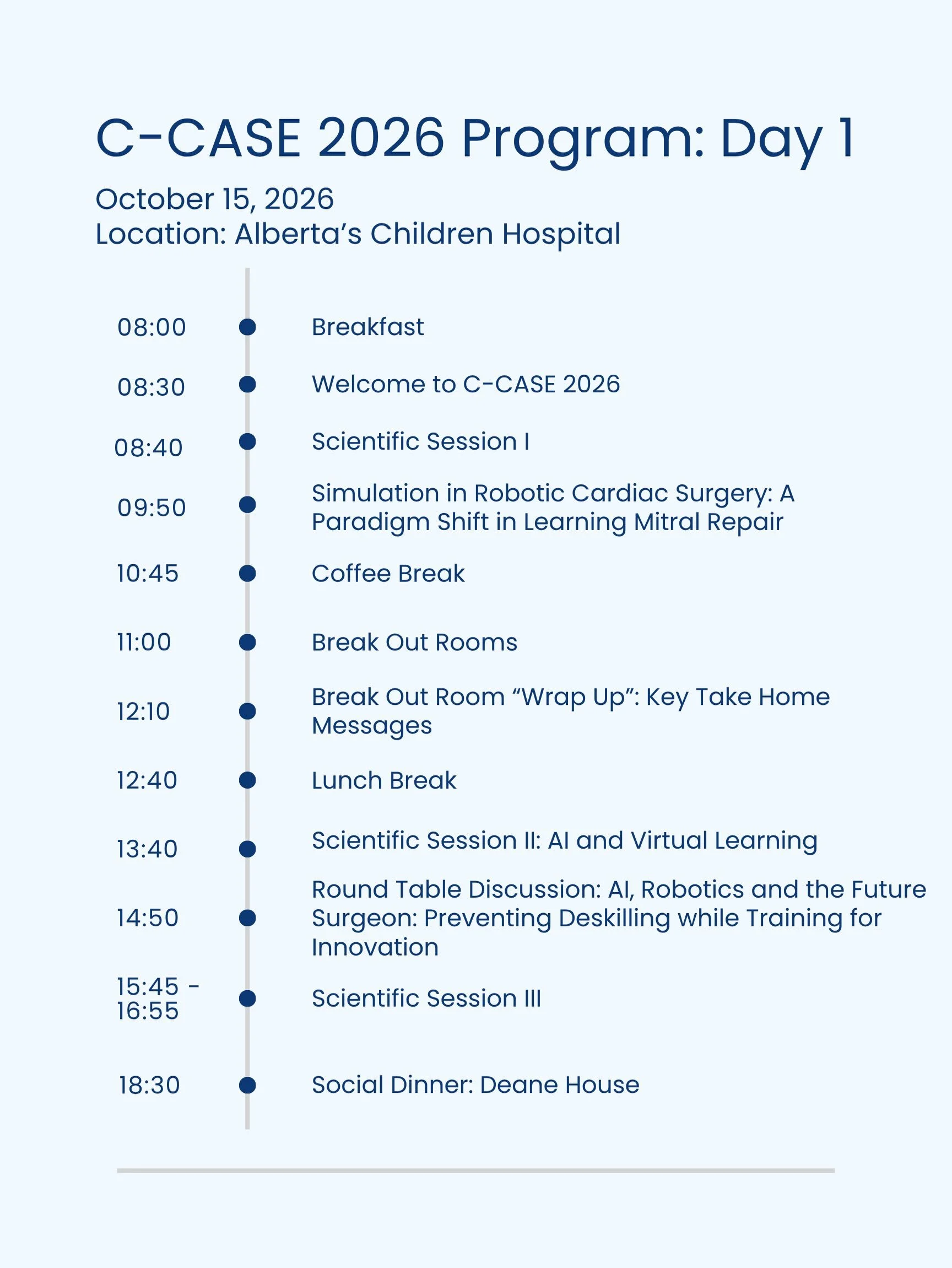
PROGRAM
SPEAKERS
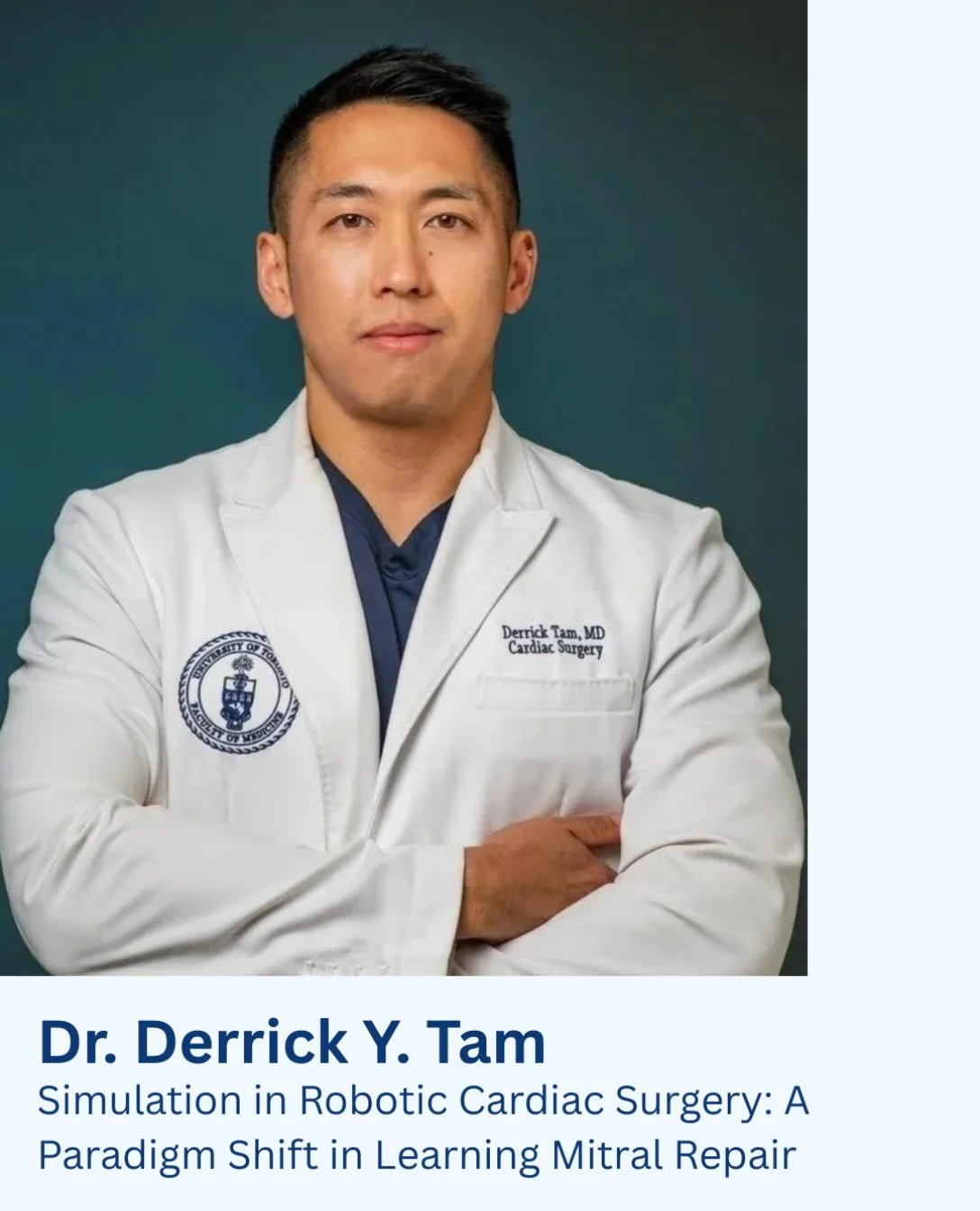
DR. Derrick Tam, MD, PhD, FRCSC
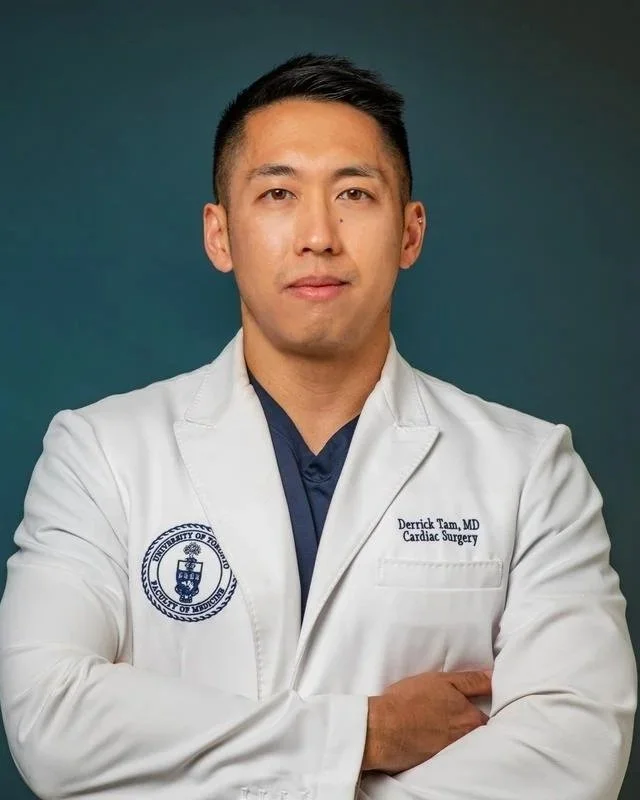
Dr. Derrick Y. Tam is a cardiac surgeon–scientist at Sunnybrook Health Sciences Centre in Toronto and an Assistant Professor in the Department of Surgery and the Institute of Health Policy, Management and Evaluation at the University of Toronto. He leads Sunnybrook’s robotic mitral valve repair program, the first of its kind in Ontario. His research focuses on degenerative mitral regurgitation, minimally invasive and robotic cardiac surgery, and comparative effectiveness and health-technology assessment of surgical innovations using large clinical and administrative datasets.
Presentation Title: Simulation in Robotic Cardiac Surgery: A Paradigm Shift in Learning Mitral Repair
Learning Objectives
To understand the benefits and drawbacks of robotic cardiac surgery
To understand traditional paradigms for learning cardiac surgery
To describe novel teaching paradigms for learning cardiac surgery
To describe the role of simulation in learning and teaching cardiac surgery
Dr. Jessalyn Holodinsky, PhD
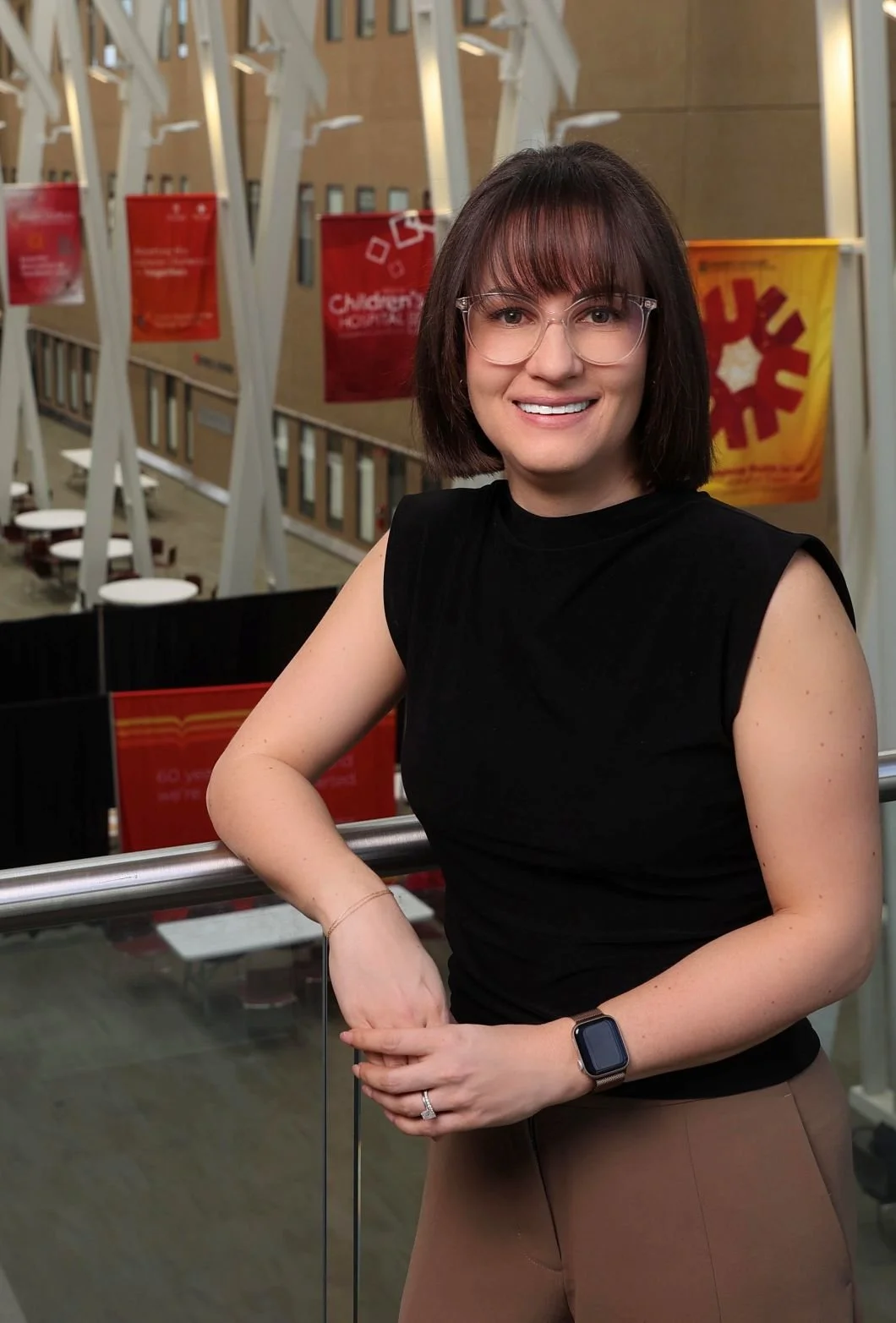
Dr. Jessalyn Holodinsky is an Assistant Professor of Data Science in the Department of Emergency Medicine at the University of Calgary, with cross-appointments in Community Health Sciences and Clinical Neurosciences. She leads the Calgary Emergency Medicine Data Lab, where her research explores how AI can predict patient flow, anticipate demand, and optimize emergency department operations. She's particularly focused on a practical question: not just whether AI systems work in theory, but whether they work in the right settings, for the right populations, and in ways that actually improve care delivery.
Presentation Title: Who Asks the Next Question? AI, Surgery, and the Human in the Loop
Learning objectives
Describe how current artificial intelligence systems generate their outputs, and explain why their performance degrades for the patients, trainees, and research questions that fall outside the data those systems were built on.
Appraise an AI tool proposed for clinical care, surgical assessment, or research in their own setting, using a structured set of questions about what it was built from and what happens when it is wrong.
Identify the effect of AI-assisted work on the development of clinical and research judgment in trainees and describe how the principles of graded responsibility can be applied to protect it.
ACCOMODATION
ALT Hotel at University District
Website: Official Site | Alt Hotel Calgary University District
Address: 482 McLaurin St NW, Calgary, AB T3B 2X9
Phone number: (403) 648-0482
SOCIAL DINNER
Thursday, October 15 from 6:00 Pm - 10:00 PM
Cost:
Student/Resident/Fellow/Coordinator Fee - $100.00 CAD
Surgeon/Physician/Dean/Educator/Guest Fee - $190.00 CAD
Location:
806 9th Ave SE,
Calgary, AB T2G 0S2, CANADA
403-264-0595
Opportunity to network at a dinner after the conference. Price of meal included in cost.
LEARNING OBJECTIVES
Overall Learning Objectives of C-CASE 2026:
• To describe and formulate solutions for current topics in undergraduate surgical education; including virtual teaching and learning, medical student preparation for residency, diversity in medical student education and surgery clerkship challenges.
• To describe current topics in postgraduate surgical education; such as, virtual teaching and learning, resident selection for surgical programs, diversity in residency education and assessment tools.
• To define the role of simulation in undergraduate and postgraduate surgical education.
• To discuss learner and surgeon well-being, coaching and mentorship.
• To outline how artificial intelligence can be applied within a surgical setting.
• To discuss award winning basic science and innovative surgical research occurring across Canada.
• To describe type of surgical culture and an approach to redefining surgical culture .
ACCREDITATION STATEMENT
This event is an Accredited Group Learning Activity (Section 1) as defined by the Maintenance of Certification Program of The Royal College of Physicians and Surgeons of Canada, and approved by the CPD Medicine Program, University of Manitoba for a maximum of 14.5 hours.
Participants should only claim credit for the actual number of hours attended.
The University of Manitoba CPD Medicine Program is fully accredited by the Committee on Accreditation of Continuing Medical Education (CACME).
DON’T FORGET TO FOLLOW US ON:
TWITTER @CUSECSurgery & INSTAGRAM @cusec_surgery